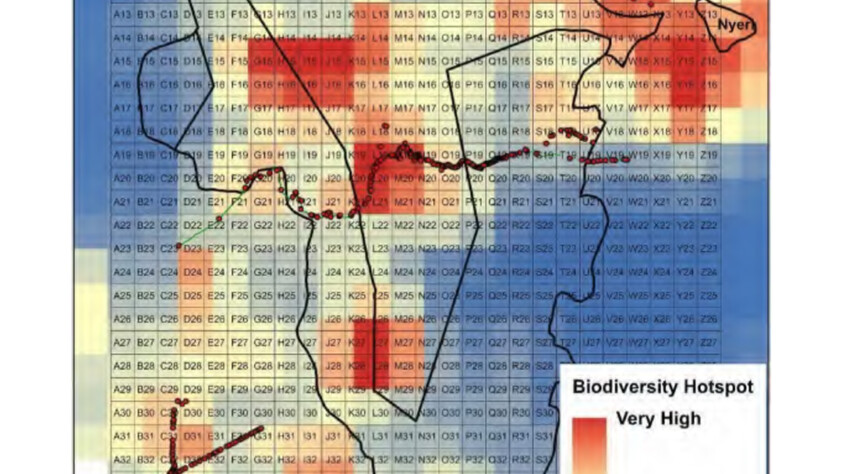
The Aberdares is one of Kenya’s most critical biodiversity hotspots, home to a rich tapestry of wildlife and an essential water catchment area for millions. However, the proposed Ihithe – Ndunyu Njeru road threatens to slice through this fragile ecosystem, carving out a path of destruction that would irreversibly alter the landscape. The loss of over 255 acres of pristine montane forest, bamboo, and moorlands is only the beginning—the real damage lies in the long-term ecological consequences of ecosystem fragmentation.A Divided Ecosystem: The Consequences of Fragmentation
Ecosystem fragmentation occurs when large, continuous habitats are broken into smaller, isolated patches. Roads are among the most destructive forms of fragmentation, acting as physical barriers that disrupt natural movement patterns and sever critical ecological connections. In the Aberdares, this road would bisect wildlife corridors, isolate populations, and degrade sensitive habitats, leading to devastating consequences:
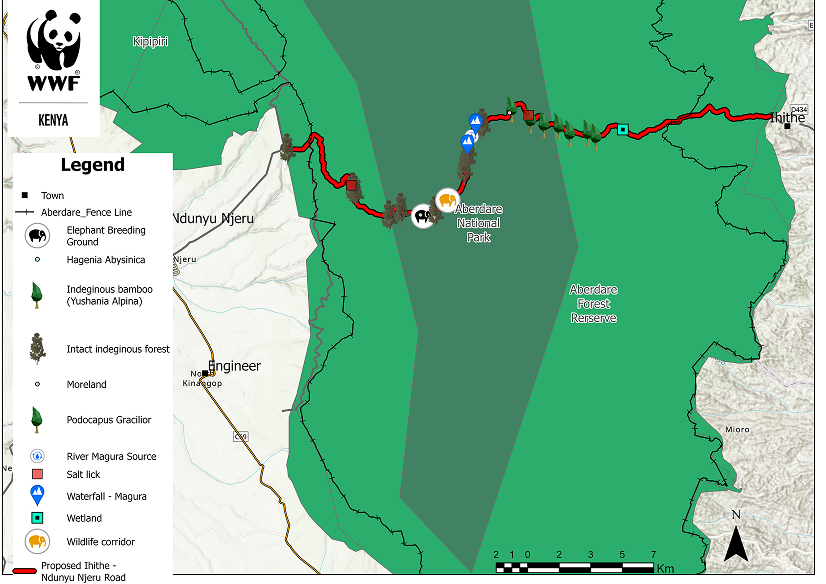
1. Disrupting Elephant Breeding Grounds
Elephants depend on safe, undisturbed areas for mating, birthing, and raising their young. The Aberdares provides such refuge, offering dense forest cover and rich feeding grounds. A road slicing through these areas would introduce disturbance, noise pollution, and increased human presence, causing stress and pushing breeding herds away from their traditional grounds. As elephants seek alternative habitats, the likelihood of human-wildlife conflict would rise, placing both people and animals at risk.
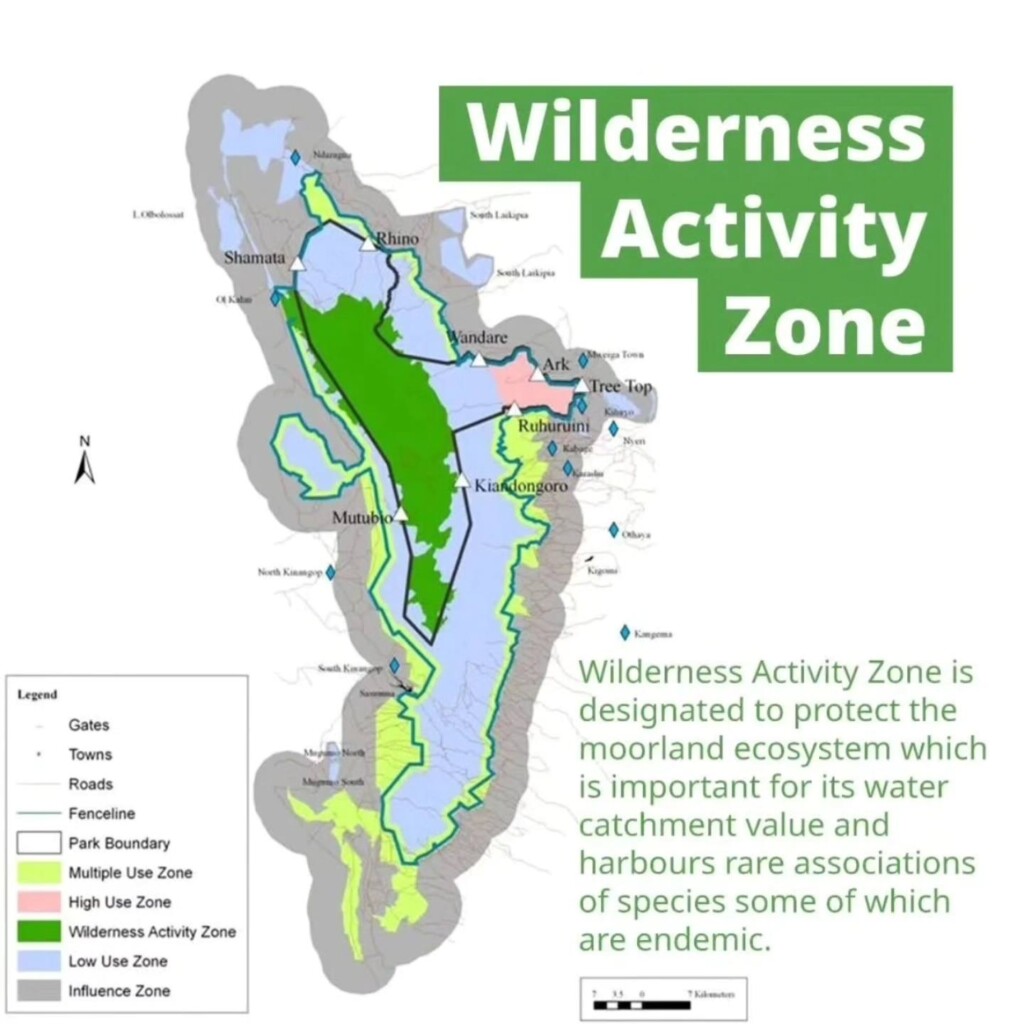
2. Severing Wildlife Corridors
The Aberdares serves as a vital link in Kenya’s broader wildlife network, enabling species such as elephants, leopards, and antelope to migrate in search of food, water, and mates. The road would block these essential routes, leaving animals trapped in smaller, less resourceful areas. This isolation leads to genetic bottlenecks, reducing genetic diversity and weakening species’ ability to adapt to environmental changes.
Wildlife attempting to cross the road would also face an increased risk of roadkill, with vehicles endangering slow-moving species like porcupines, pangolins, and even large mammals such as buffalo and leopards.
3. Destruction of Saltlicks and Key Foraging Areas
Saltlicks provide vital minerals to herbivores, supporting bone strength and overall health. The destruction of these natural deposits due to road construction would deprive wildlife of essential nutrients, forcing them to venture outside the park into farmlands and human settlements. This not only heightens human-wildlife conflict but also disrupts foraging patterns, leading to malnourishment and weakened populations.
4. Wetland Degradation and Water Scarcity
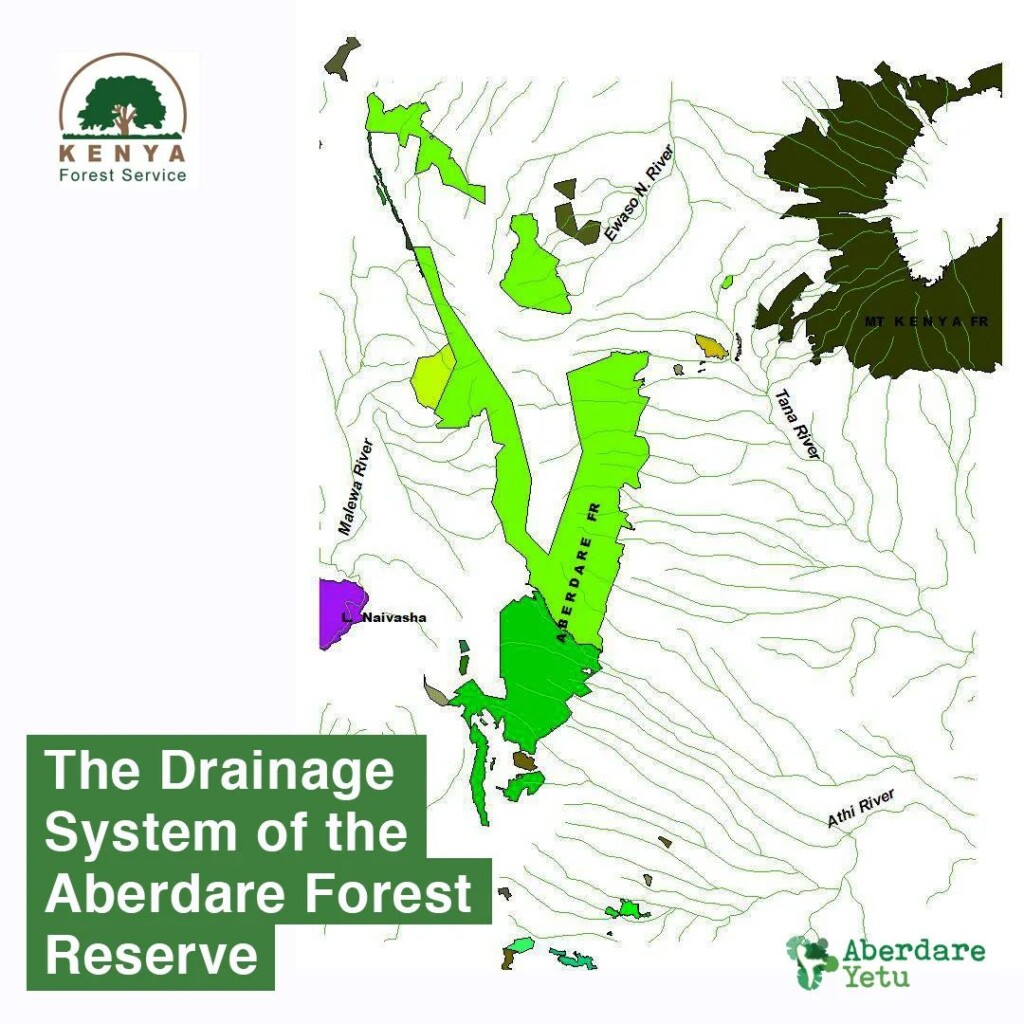
The Aberdares’ wetlands are natural water filtration systems, regulating water flow and providing refuge for amphibians, birds, and fish. Construction would alter drainage patterns, dry up key wetland areas, and increase sedimentation in rivers, threatening aquatic biodiversity. With Kenya already facing water shortages, the disruption of these critical water sources could have cascading effects on both wildlife and human populations dependent on them.
The Ripple Effect: Ecological and Human Consequences
The fragmentation of the Aberdares ecosystem would set off a chain reaction of environmental and social challenges, including:
❖ Increased Human-Wildlife Conflict
With wildlife forced out of their natural habitats, encounters with humans would become more frequent. Elephants, in particular, might raid farmlands in search of food, leading to crop destruction, economic losses for farmers, and potential retaliatory killings.
❖ Decline in Key Species
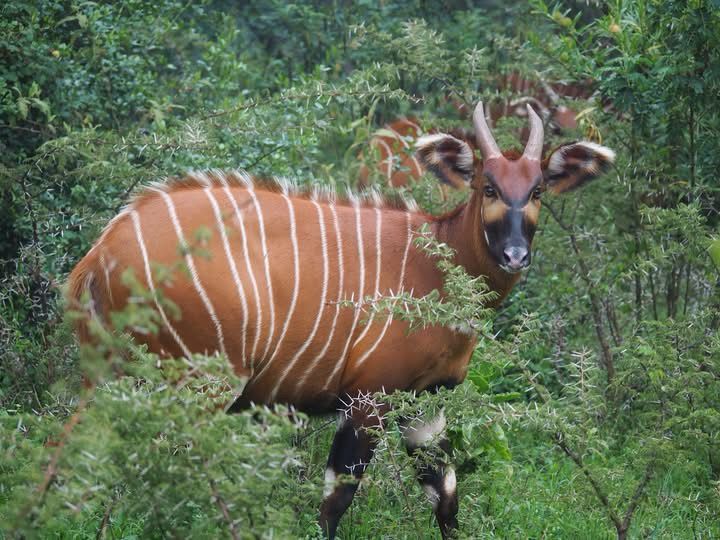
Species that rely on large, undisturbed habitats—such as the mountain bongo, leopard, and giant forest hog—would struggle to survive in an increasingly fragmented landscape. Over time, population declines could lead to local extinctions, disrupting the delicate balance of the ecosystem.
❖ Loss of Biodiversity and Ecosystem Services
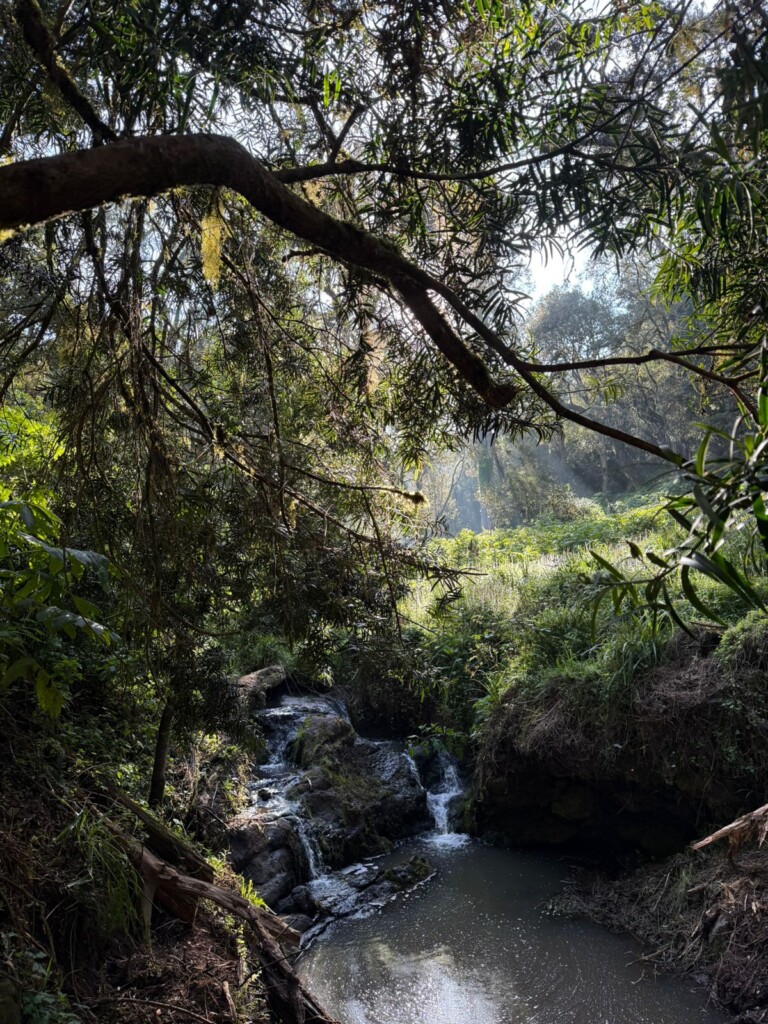
The Aberdares is not just home to wildlife—it plays a crucial role in carbon sequestration, air purification, and climate regulation. The destruction of over 255 acres of forest and bamboo would release vast amounts of stored carbon, accelerating climate change and increasing the risk of extreme weather events such as droughts and floods.
A Call to Protect the Aberdares
The Ihithe – Ndunyu Njeru road is not a necessity—it is a disaster in the making. While infrastructure development is vital for economic growth, it should never come at the cost of one of Kenya’s last remaining natural treasures. Alternative routes exist that would avoid disrupting wildlife corridors and critical habitats, ensuring that development and conservation go hand in hand.